Introduction to the Impact of Mental Health Movies
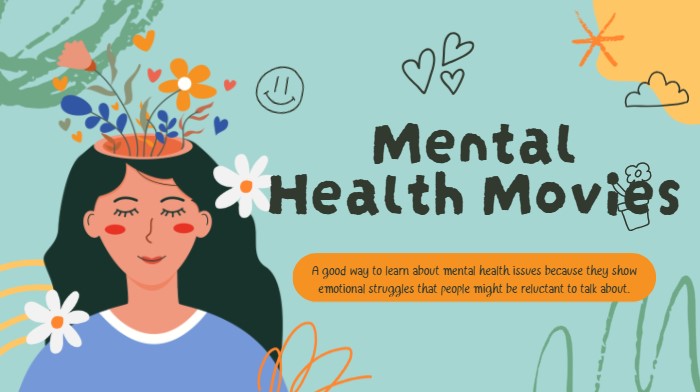
Mental health movies often stir important conversations because they bring real struggles into view. A lot of people find solace in stories that are similar to their own, and mental health movies make them feel less alone. Mental health movies are a good way to learn about mental health issues because they show emotional struggles that people might be reluctant to talk about. When a character is anxious, depressed, faces trauma, or experiences personal growth, viewers sometimes connect on a deep and personal level. Families and communities may begin to recognise the fragility and complexity of the mind as a result, which may foster empathy. The human experience becomes clearer when audiences watch relatable characters dealing with real pressure and real fears. Reflection on one’s own feelings and relationships can be facilitated by engaging storytelling. Through careful plotting and honest portrayals, these movies help decrease stigma bit by bit and lead viewers to healthier conversations about well-being.
How Mental Health Movies Support Awareness and Education
Many people learn about emotional struggles through storytelling, and mental health movies offer a powerful way of teaching. Such films introduce viewers to conditions with which they may not be familiar; mental health movies often break down stereotypes that create confusion. When panic disorders, bipolar symptoms, or grief hit the screen, audiences start to see the depth behind each experience. Mental health movies also show how recovery requires patience, openness, and supportive connections. They help people recognise the signs of distress in themselves or others, enabling them to seek assistance much earlier. By watching a character go through personal battles, sometimes viewers learn strategies that may apply to a real-life situation. Emotional awareness is created by stories in a way that straightforward explanations sometimes do not. People walk away with more empathy, more clarity, and more willingness to listen. This shift in understanding makes communities stronger and kinder.
Emotional Connection through Characters
Stories seem so real when characters reveal their fears and hopes, and mental health movies do exceptionally well in creating emotional bonds. While watching a character struggle through uncertain moments, audiences sometimes see their own challenges reflected back, thereby deepening connection. Many of them focus on the gradual path to healing rather than sensationalised instances. The audience resonates with that reality because healing rarely occurs overnight. Many mental health movies unfold with the characters showing vulnerability, resilience, and growth that inspire viewers. mental health movies moments make people feel identified and listened to, especially when they went through similar difficulties. Characters facing emotional hurdles were strong and resilient in ways unexpected. This kind of representation lets people process their feelings with a softer heart. Instead of being alone, they find relief knowing that many navigate similar emotional landscapes.
Also read: Dignity Health Careers
Films that depict mental health in a realistic way
Authenticity is key when filmmakers take on sensitive topics, hence realistic representation in mental health movies. People want to see actual images of depression, anxiety, trauma, or recovery because that alone can help them validate their feelings. Many mental health movies depict the day-to-day reality of living with emotional challenges rather than banking on sensational portrayals. Such an approach fosters comprehension instead of fear or misunderstanding. If the struggles of a character mirror those of a real person, then the mental health movie will build trust in viewers. Many of these mental health movies highlight therapy, coping techniques, and how characters communicate; that healing is a process, basically. Realistic storytelling helps reduce misconceptions, helping viewers to replace judgement with compassion. Filmmakers who treat such subjects with care provide a bridge between entertainment and education. Because of this, viewers leave the theatres more informed, more empathetic, and more cognisant of the complexities behind emotional wellbeing.
How Mental Health Movies Influence Public Perception
Public opinion often shifts when people learn through stories, and mental health movies have a great influence on perception. Through them, viewers receive the opportunity to perceive emotional conditions in a relatable context. When mental health movies depict honest struggles, people begin to question older beliefs that once warned against open conversations. Many mental health movies also show the value of professional support and community care. This depiction reduces hesitancy to seek help. As film audiences become more aware, society slowly inches toward better mental wellness conversations. People begin to point out harmful stereotypes and eventually reject them, as the stories they watched offered kinder alternatives. By depicting characters who grow through vulnerability, films encourage people to approach emotional struggles with compassion rather than stigma. Each story becomes a step toward building healthier attitudes within families, workplaces, and communities.
Healing Reflections Encouraged by Mental Health Movies
Films provide people with a means of processing difficult emotions, and mental health films gently encourage viewers to reflect. Many of us watch these stories trying to understand our own emotions. Because of this, mental health movies give audiences permission to explore thoughts they sometimes avoid in daily life. When characters exhibit loneliness, frustration, or hope, viewers mirror these emotions and find meaning in them. It is when people recognize their pain within a character’s journey that healing can begin. Mental health movies highlight the importance of self-awareness and small steps toward recovery. The depth in these mental health movies speaks volumes and encourages introspection and empathy. Viewers learn that healing does not take a linear course but mostly requires patience and supportive environments. That kind of storytelling reminds audiences their feelings should not be avoided but rather given attention. With due time, through such films, many individuals learn to handle personal healing with more gentleness and understanding.
The Role of Relationships in Mental Health Movies
The bond between people means a lot, and mental health movies illustrate how relationships can affect one’s emotional condition. Quite often, protagonists rely on their friends, family, or mentors in moments of crisis, and mental health movies demonstrate how it is possible for recovery to be influenced by such bonds. Viewers learn how trust, empathy, and communication give strength in times of vulnerability. Many mental health movies show relationships that suffer under emotional weight but later grow stronger once the characters learn to share emotions with each other. These stories remind people that supportive connections are what one should have. They also explain how sometimes misunderstandings create emotional distance, while honesty can rebuild it. Films teach viewers that no person should deal with emotional storms completely alone. Healthy relationships reassure, stabilize, and give hope. Seeing this reflected on screen encourages people to strengthen their own connections and reach out toward others who might be in need of understanding.
Inspiration and Strength
Many viewers use film as an avenue to find hope, and even in the midst of tragic events, mental health movies offer inspiring messages. Characters show heart in facing different emotional challenges, and mental health movies go further to emphasize resilience. What these films remind audiences is that, more often than not, it is the small victories that yield progress, not sudden ones. Most mental health movies about mental health indicate that through honest closure, therapy, or supportive relationships, people build their strength. Viewers sometimes feel encouraged to take their own steps toward wellness after watching these journeys. Stories of recovery and growth often motivate. People leave believing improvement is possible. These films reflect the fact that challenges might be part of life, yet healing can still occur over time with care and consistent effort. This encourages hope and determination.
Cultural Influence of Mental Health Movies across Communities
Different cultures respond to emotional struggles in their own ways, and mental health movies bridge those differences. Such films encourage open conversations where, at times, emotional issues are downplayed in the community. When people watch mental health movies, they begin to understand that emotional struggles exist everywhere, crossing language and cultural boundaries. Most mental health movies centre, around experiences humans relate to universally, such as loss, growth, and personal discovery. It is in these shared themes that the subject becomes relatable. Across the world, audiences gradually replace silence with awareness as these stories deal with emotional realities with sensitivity. The more people watch these films, the more communities learn to value empathy and communication. Cultural habits start shifting in a positive direction, allowing individuals to seek help without fear or judgement.
Why Mental Health Movies Matter
Today Fast-paced stress and emotional challenges are part of modern life, which makes the movies about mental health more important now. Such movies make people slow down and contemplate their emotions. Many mental health movies portray the effects of loneliness, pressure, or trauma in manners that strike a chord with audiences. While watching these stories, viewers identify with the importance of emotional balance.