Introduction to Cardiovascular Technology
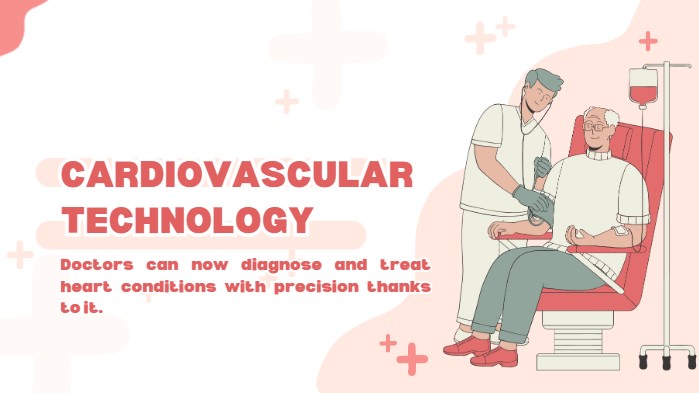
Over the past few decades, cardiovascular technology has transformed heart health. Doctors can now diagnose and treat heart conditions with precision thanks to it. Tools such as imaging machines and wearable monitors provide real-time information, making it central to modern care. Patients benefit from early detection and personalized treatment plans. Integrating these tools into daily medical practice helps prevent complications and improves outcomes. Education in cardiovascular technology ensures technicians operate complex devices efficiently. Research continues to advance cardiovascular technology, keeping it at the forefront of medical innovation. Collaboration between engineering and medicine further enhances the global impact of it.
Advanced Imaging in Cardiovascular Technology
Advanced imaging forms a cornerstone of it. Techniques like echocardiography, MRI, and CT scans provide detailed views of heart structure, making cardiovascular technology indispensable for accurate diagnosis. Cardiologists rely on it to detect blocked arteries, valve disorders, and congenital defects. 3D imaging within cardiovascular technology enables precise planning for complex procedures. Non-invasive imaging reduces patient risk while improving confidence in results. Specialists trained in it ensure scans are interpreted correctly. Continuous innovation in it delivers faster, safer, and more comprehensive assessments. Patients now have more reliable insights thanks to cardiovascular technology.
Wearable Devices in Cardiovascular Technology
Wearables are revolutionizing cardiovascular technology by bringing continuous heart monitoring into daily life. Smartwatches and portable ECG monitors track heart rate, rhythm, and oxygen levels, demonstrating the usefulness of cardiovascular technology. These devices detect arrhythmias early, helping prevent severe complications through it. Doctors can monitor trends remotely, supporting preventive care. Mobile app integration encourages patient engagement in health management. Wearables also assist post-surgery recovery using cardiovascular technology. Ease of use improves adherence to treatment plans. As wearables evolve, it will continue closing the gap between hospital care and everyday life, empowering patients.
Also read: Monitor tech
Interventional Procedures Enhanced by Cardiovascular Technology
Cardiovascular technology has transformed interventional procedures like angioplasty, stent placement, and valve repair. Minimally invasive methods guided by cardiovascular technology shorten recovery and improve outcomes. Real-time imaging within it ensures precise visualization during operations. Robotic-assisted interventions combine surgical skill with guidance from it. Continuous monitoring prioritizes patient safety, while simulations based on it support pre-procedure planning. Training programs prepare professionals to perform complex interventions. Integration of cardiovascular technology has improved success rates and patient experiences. Ongoing innovation ensures interventional cardiovascular technology remains safe and effective.
Cardiovascular Technology in Diagnosis
Diagnostics rely heavily on cardiovascular technology to detect heart conditions accurately. ECG machines, Holter monitors, and stress testing devices form the core of it in diagnostics. Cardiologists use it to measure blood pressure, heart rhythm, and electrical activity precisely. Laboratory integration with it supports biomarker analysis for conditions like heart failure. Early diagnosis improves treatment success and reduces long-term complications. Visual aids in cardiovascular technology help patients understand their conditions. Continuous innovation keeps cardiovascular technology fast, reliable, and patient-friendly. Its impact is evident in improved outcomes and reduced risk of severe cardiac events.
Telemedicine and Cardiovascular Technology
Telemedicine has expanded the reach of cardiovascular technology by enabling remote monitoring and consultations. Integration of cardiovascular technology allows doctors to analyze ECGs, blood pressure, and other data without in-person visits. Patients receive timely advice and treatment adjustments through it, reducing hospital readmissions. Specialists can collaborate globally using it to share insights. Remote monitoring improves patient engagement and therapy adherence. As connectivity grows, it will further strengthen telemedicine. The combination of cardiovascular technology and telehealth makes heart health management more accessible and efficient.
Cardiovascular Technology in Surgery
Surgical procedures have benefited immensely from cardiovascular technology. Heart bypass, valve repair, and transplant surgeries rely on monitoring systems within cardiovascular technology. Surgeons access accurate data on blood flow, oxygen levels, and cardiac output through it. Robotic and computer-assisted operations use it for precise guidance. Postoperative care improves via it, enabling early complication detection. Training in it ensures surgical teams maintain high safety and efficiency standards. Innovations like 3D modeling enhance preoperative planning using cardiovascular technology. The result is safer surgeries, better outcomes, and reduced patient stress.
Data Analytics and Cardiovascular Technology
Data analytics is now a key part of cardiovascular technology. Large volumes of information from wearables, imaging, and hospital records are analyzed through it to predict heart disease risk. Patterns in heart rate, blood pressure, and activity are studied using it for actionable insights. Machine learning in cardiovascular technology identifies early signs of disease that might otherwise be missed. Hospitals use it analytics to optimize patient flow and treatment. Personalized plans emerge from insights gained through it. Research also benefits, improving understanding of heart disease. Cardiovascular technology turns raw data into preventive and therapeutic solutions, enhancing patient care.
Cardiovascular Technology Training and Education
Training in cardiovascular technology equips technicians and healthcare providers to operate advanced devices safely. Hands-on education ensures accurate data interpretation within cardiovascular technology. Simulation-based learning in it allows practice without patient risk. Professionals must stay updated with innovations in it to maintain expertise. Certification confirms proficiency and high standards of care. Educators use it to visually demonstrate complex processes. Ethics and privacy are emphasized in it programs. Well-trained professionals ensure cardiovascular technology is reliable and effective in real-world settings.
Future Trends in Cardiovascular Technology
The future of cardiovascular technology promises increased precision, integration, and accessibility. Artificial intelligence and machine learning will enhance predictive models in cardiovascular technology. Wearables will provide continuous monitoring and automated alerts through it. Personalized medicine will leverage it to tailor treatments according to genetics and lifestyle. Remote procedures and telemedicine will expand, supported by it. Innovations in robotics and materials will allow less invasive surgeries and faster recovery using it. Collaboration among developers, researchers, and clinicians will accelerate progress. Human-centered cardiovascular technology ensures these tools remain practical, accessible, and life-saving.